Common Causes of Concrete Foundation Damage
To repair foundation damage caused by common issues like soil shifting or moisture problems, local contractors can assess the damage and provide effective repair solutions.
Understanding the common causes of concrete foundation damage is essential for property owners who want to protect their investments and ensure the stability of their buildings. Issues such as soil movement, poor drainage, and improper construction practices can all contribute to foundation problems over time. Recognizing these factors can help homeowners and property managers identify early warning signs and seek timely assistance from experienced local contractors who specialize in foundation repair services. Staying informed about these causes empowers property owners to take proactive steps in maintaining the integrity of their foundations.
For those in the area, exploring the underlying reasons behind foundation damage can lead to more effective solutions and long-term peace of mind. Local service providers are equipped to diagnose the root causes of foundation issues and recommend appropriate repair strategies. Whether addressing settlement, cracking, or shifting, these professionals can help restore stability and prevent further damage. Keeping this knowledge in mind encourages property owners to stay vigilant and connected with trusted local experts who can assist with foundation repair needs.
- Foundation cracking - homeowners noticing cracks in their concrete may need foundation repair services, and local contractors assess the severity and recommend appropriate stabilization methods.
- Uneven flooring - when flooring becomes uneven or slopes, local service providers evaluate the foundation’s condition and perform repairs to restore stability.
- Settling or sinking - signs of foundation settling prompt local pros to investigate underlying causes and implement solutions to prevent further damage.
- Excessive moisture or drainage issues - persistent water problems near the foundation can lead to damage, with local contractors addressing drainage and moisture control to protect the foundation.
- Expansive soil conditions - in areas with shifting soil, local pros perform foundation repairs to counteract movement and reinforce structural integrity.
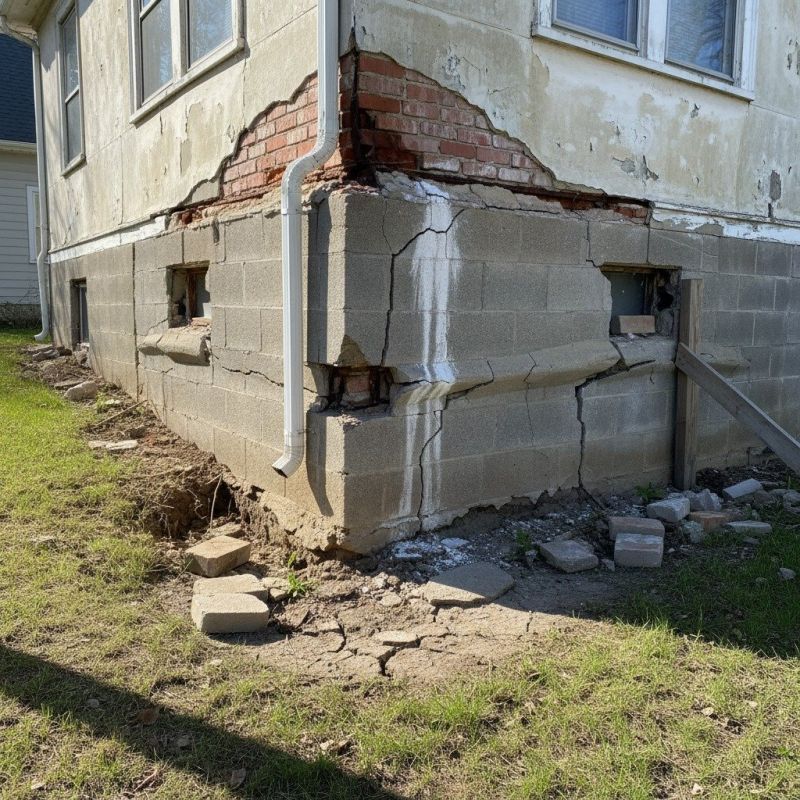
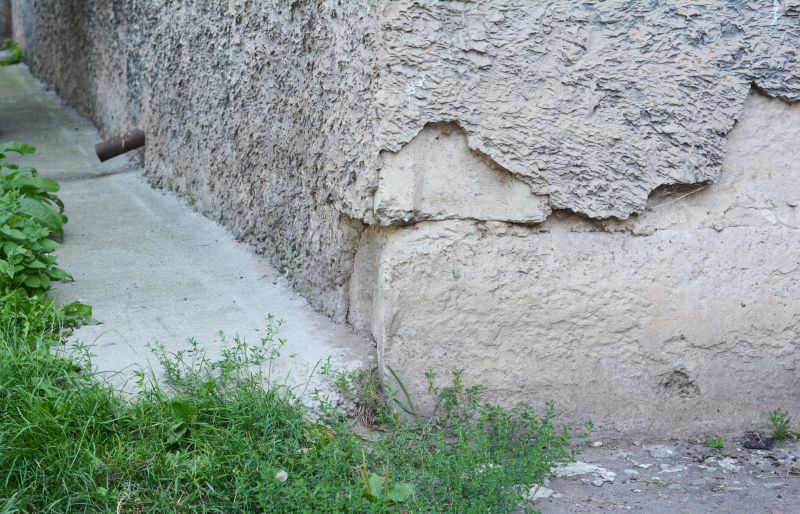
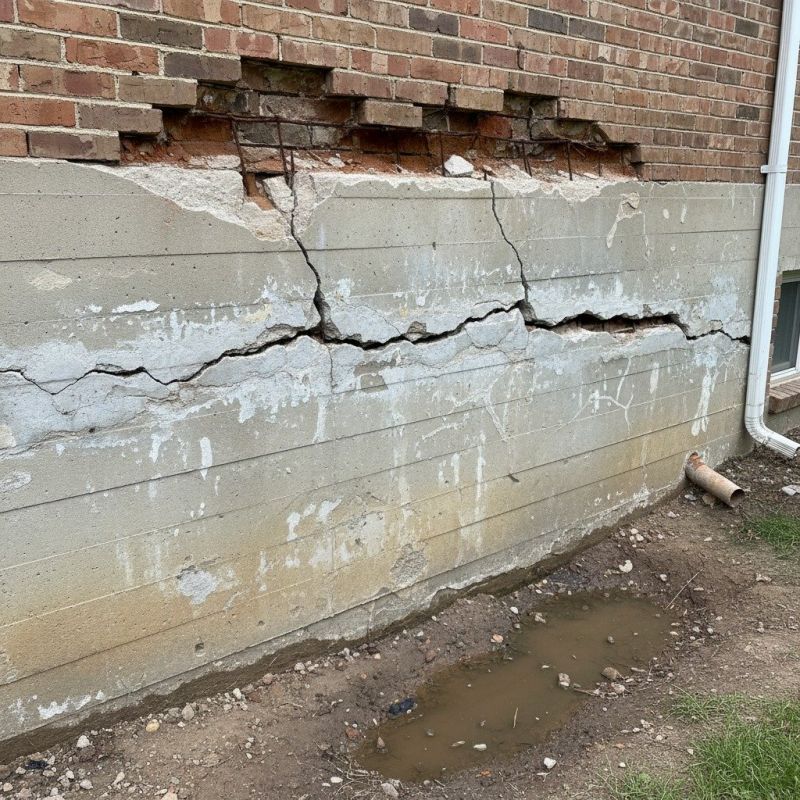
Understanding the common causes of concrete foundation damage is essential for homeowners who want to protect their properties and ensure long-term stability. When people search for this topic, they are often concerned about issues that lead to cracks, settling, or structural weakness in their foundation. These problems can result from a variety of factors, including soil conditions, water management, and the natural aging process of concrete. Recognizing these causes helps homeowners identify early warning signs and decide when professional assessment or repair might be necessary to prevent more extensive damage.
Many foundation problems are rooted in soil-related issues. For example, expansive clay soils tend to swell when wet and shrink when dry, exerting pressure on the foundation and causing cracks or uneven settling. Similarly, poorly compacted or unstable fill soil can shift over time, leading to uneven support beneath the concrete slab or foundation walls. These soil movements are often exacerbated by changes in moisture levels, making proper drainage and moisture control critical in maintaining a stable foundation. Local service providers who specialize in foundation repair can evaluate soil conditions and recommend solutions to minimize ongoing movement and damage.
Water-related factors are among the most common causes of concrete foundation damage. Excessive moisture from poor drainage, leaking pipes, or inadequate gutters can lead to increased soil moisture around the foundation, causing swelling and pressure. Conversely, drought conditions can dry out soils, leading to shrinkage and settlement. Flooding or standing water around the foundation can also erode the soil supporting the concrete, weakening its stability over time. Homeowners should be attentive to drainage issues and consider professional assessments to address water management concerns before they cause significant damage. Local contractors experienced in foundation repair can implement drainage improvements and waterproofing measures to help protect foundations from water-related stress.
Age and natural wear are additional factors contributing to concrete foundation damage. Over time, concrete can develop cracks due to the settling of the soil beneath it or the natural expansion and contraction caused by temperature fluctuations. Small cracks may seem minor at first but can expand if underlying issues are not addressed, eventually compromising the structural integrity of the foundation. In some cases, previous repairs or construction practices may have introduced vulnerabilities that worsen over time. Homeowners with older properties should consider regular inspections to catch early signs of deterioration. Local foundation repair specialists can provide the necessary evaluations and repairs to restore stability and prevent further damage, ensuring the longevity of the property’s foundation.
Basement waterproofing projects involve similar planning and techniques to address moisture issues that can contribute to foundation damage, making them relevant for comparison.
Drainage system installations require understanding soil and water flow, which are key factors in preventing foundation cracks and settling.
Soil stabilization services focus on improving soil conditions around structures, directly relating to issues caused by soil movement and expansion that damage foundations.
Retaining wall construction involves excavation and soil management skills that are applicable when addressing soil-related causes of foundation problems.
Concrete slab leveling services share techniques for addressing uneven settling, a common issue linked to foundation damage causes.
Structural reinforcement projects require assessment of soil and environmental factors that can lead to foundation stress and damage, similar to common causes of foundation issues.
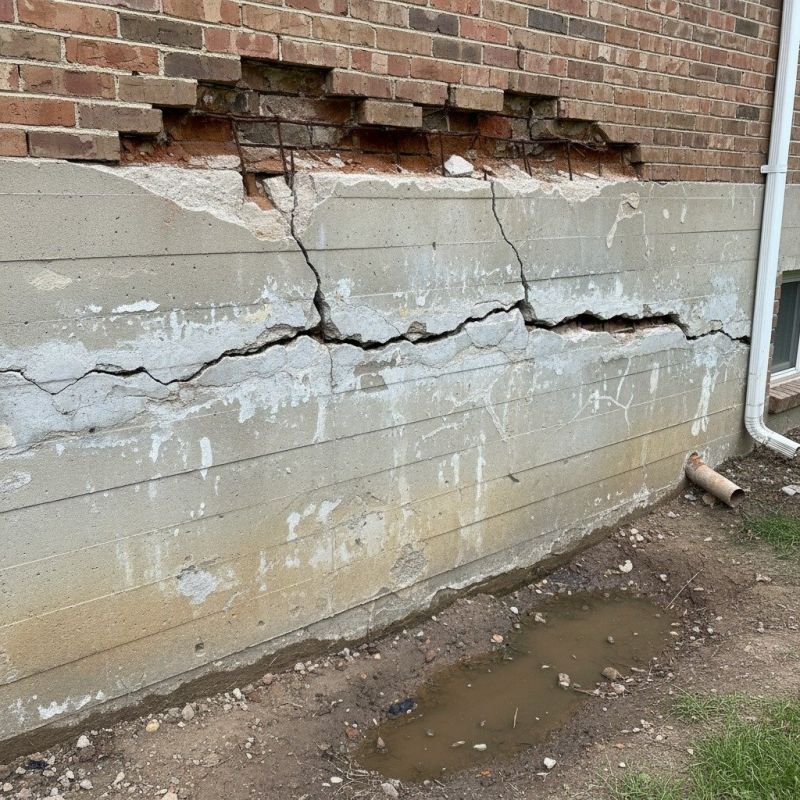
When evaluating service providers for foundation damage repair, it is important to consider their experience with similar projects. Local contractors who have handled concrete foundation issues related to common causes of concrete foundation damage are likely to be more familiar with the specific challenges and solutions relevant to the area. An experienced professional can provide insights into the most effective repair methods and help identify underlying issues that may contribute to ongoing problems, ensuring that the repair work addresses the root cause rather than just the symptoms.
Clear written expectations are essential when comparing local pros. A reputable service provider should be able to outline the scope of work, the materials to be used, and the estimated process in straightforward language. Having detailed, written explanations helps prevent misunderstandings and ensures that homeowners are aware of what the repair will involve. This transparency is especially valuable when dealing with foundation issues caused by common factors like soil movement, water intrusion, or poor drainage, as it allows homeowners to understand how each step addresses these specific causes.
Good communication and reputable references are key indicators of a reliable foundation repair service provider. Local contractors who are responsive and willing to answer questions demonstrate professionalism and a commitment to customer service. Additionally, seeking references or reviews from previous clients can provide insights into the contractor’s track record with similar foundation issues. These references can help homeowners gauge the quality of the work, the contractor’s ability to manage projects effectively, and their overall reliability when addressing common causes of concrete foundation damage.
Property owners often search for common causes of concrete foundation damage when they are planning practical projects around their homes and businesses. Local pros provide Foundation Damage Repair services for everyday jobs and straightforward project options.
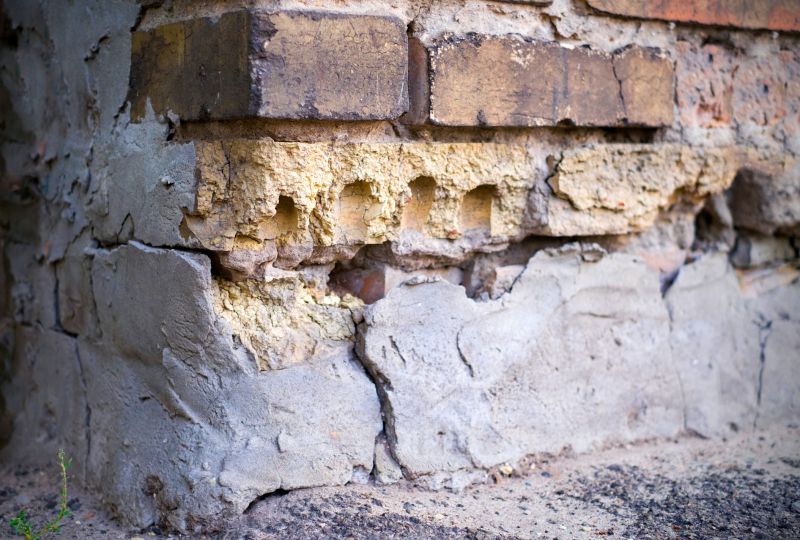
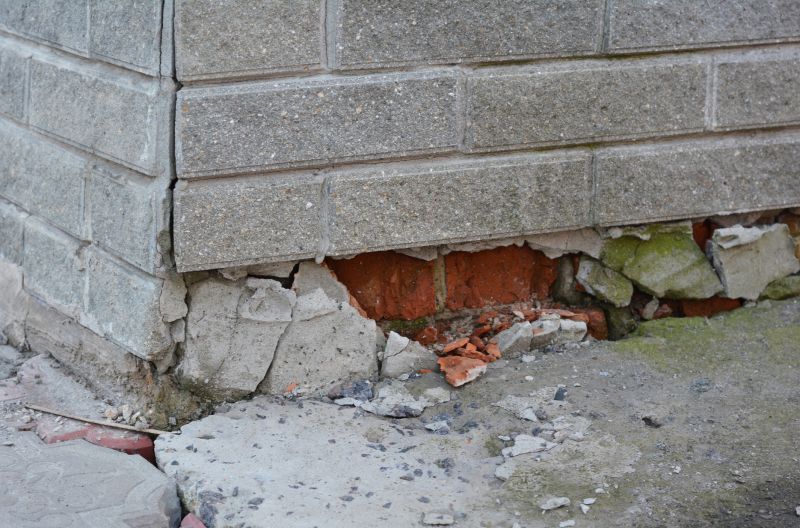
Many property owners in the area look up common causes of concrete foundation damage after noticing cracks, uneven flooring, or shifting walls in their homes. Everyday situations such as poor drainage around the property, excessive moisture, or improper grading can lead to water pooling near the foundation, which may weaken the concrete over time. Additionally, changes in soil conditions, like expansion or contraction due to moisture level fluctuations, can exert pressure on the foundation, causing cracks or other forms of damage that may require professional repair.
Homeowners often seek out foundation damage repair services when they observe signs of settling or cracking that seem to worsen gradually. Common reasons for foundation issues include tree roots growing too close to the structure, which can disturb soil stability, or nearby construction activities that alter the natural landscape. In some cases, heavy equipment or vibrations from nearby work can also contribute to foundation movement. Local contractors experienced in foundation repair can assess these issues and recommend appropriate solutions to help stabilize and protect the property.
What are common causes of concrete foundation damage? Common causes include soil movement, poor drainage, and tree root intrusion, which can lead to shifting or cracking of the foundation. Local contractors can assess these issues and recommend appropriate repairs.
How does soil movement affect foundation stability? Changes in soil volume, such as expansion or contraction due to moisture fluctuations, can exert pressure on the foundation, causing cracks or uneven settling. Experienced service providers can identify and address these problems.
Can poor drainage contribute to foundation damage? Yes, inadequate drainage can lead to water accumulation around the foundation, increasing soil moisture and weakening the concrete over time. Local foundation repair specialists can help improve drainage systems.
What role do tree roots play in foundation issues? Tree roots can grow beneath the foundation, exerting pressure and causing cracks or heaving. Skilled contractors can determine if roots are a problem and suggest removal or mitigation solutions.
How can local service providers help prevent foundation damage caused by environmental factors? They can evaluate site conditions, recommend proper drainage, soil stabilization, and other preventative measures to protect the foundation from common environmental causes of damage.
Water intrusion prevention - property owners can implement proper drainage systems to reduce water exposure around the foundation, helping local contractors address ongoing moisture issues.
Soil stability assessment - understanding soil conditions beneath the foundation allows property owners to work with local service providers on soil stabilization or reinforcement projects.
Proper grading techniques - ensuring the landscape slopes away from the foundation can prevent water pooling and reduce pressure, with local pros helping to modify grading as needed.
Addressing tree and shrub placement - avoiding planting large vegetation close to the foundation minimizes root intrusion and soil movement, which local contractors can help manage through landscaping adjustments.
If you are thinking about common causes of concrete foundation damage for a property, this guide is meant to help you understand this topic, the typical project types, and how different options might fit your plans.
When you are ready, you can use the quote form on this page to share a few details about your project. From there, local pros can review the basics and follow up with options that match what you have in mind.